Norman Neruda: Forgotten Greatness.

W. Timblin. American String Teacher 1985 / 02 Vol. 35; Iss. 1

TRAD. VERA MAZZOTTA
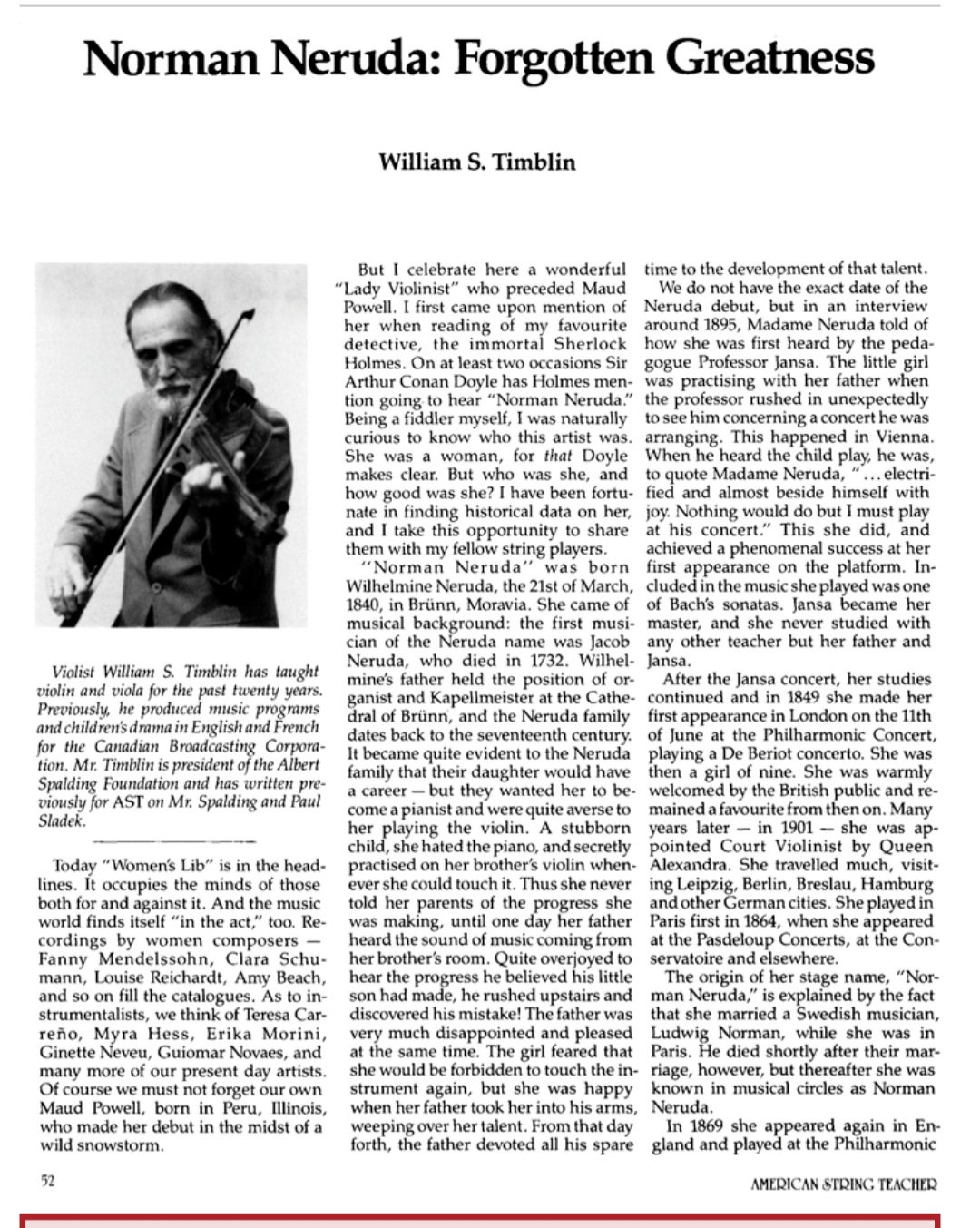
Contemporary critiques speak not only of the artist’s musical talent but of her manner, ” … gentle and courteous … much refinement about it, and when roused to speak upon matters that interest her she becomes eloquent, while her looks imply that she seriously means what she says.”
Touching on her playing, critics wrote that her left-hand technique
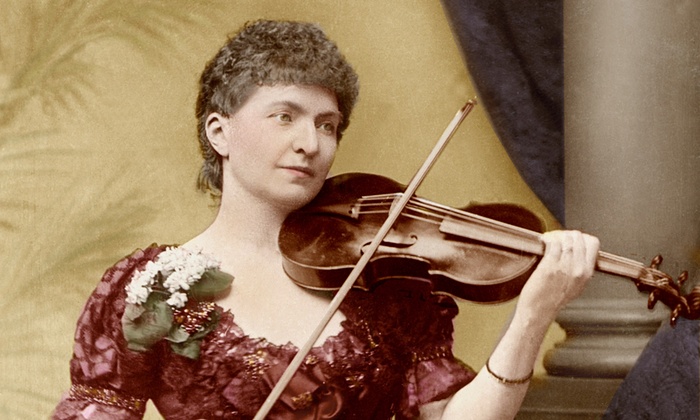
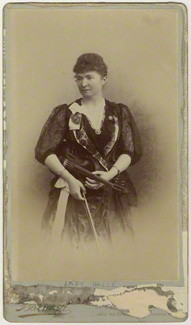
showed how capable she was of executing difficulties without displaying any symptom of labour. She played passionately as well as accurately, from all accounts, and was a fine interpreter of all music she touched. (….) Pictures of the violinist show a most positive, determined women – but attractively feminine at the same time. One thinks automatically of phonograph records of the period. After all, there were records being made in the late 1800s. But I know of none extant that can give us a hint of this woman’s artistry. We can assume from all that has been written that this was a violinist to be reckoned with. After all, she must have been good, for that great violinist,
Sherlock Holmes, spoke highly of her!

I critici contemporanei parlano non solo del talento musicale dell’artista ma delle sue maniere “… gentili e cortesi…che dimostrano molta raffinatezza… quando viene sollecitata a parlare di questioni che la interessano diventa eloquente, mentre il suo aspetto dimostra che crede veramente in quello che dice.” Riguardo il suo modo di suonare, i critici hanno scritto che la sua tecnica della mano sinistra dimostrava quanto fosse capace di eseguire difficoltà senza mostrare alcun segno di fatica . Wilma Neruda suonava in modo appassionato oltre che con precisione, da tutti i punti di vista è stata un’ ottima interprete di tutta la musica che ha avuto modo di suonare. Le foto della violinista mostrano il volto di una donna positiva e determinata – ma attraente e femminile allo stesso tempo. Dopo tutto, si pensa automaticamente alle registrazioni del fonografo di quel periodo anche perché ci sono state effettivamente delle registrazioni che sono state fatta proprio alla fine dell’ 800. Ma non ne conosco nessuna esistente che faccia riferimento all’arte di questa donna . Possiamo supporre da tutto ciò è stato scritto che è stata una violinista da non sottovalutare e, in effetti, deve essere stata davvero gamba se quel grande violinista di Sherlock Holmes ne ha parlato così bene !
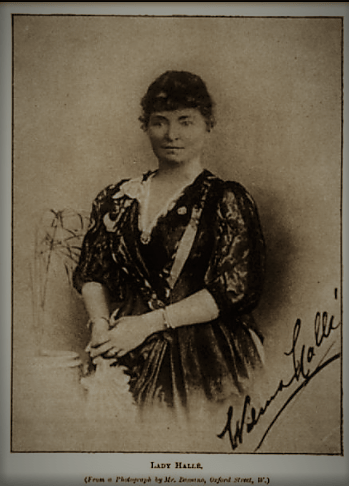
The Library of Nineteenth-Century Photography – Lady Hallé

http://www.19thcenturyphotos.com/Lady-Hall%C3%A9-123569.htm

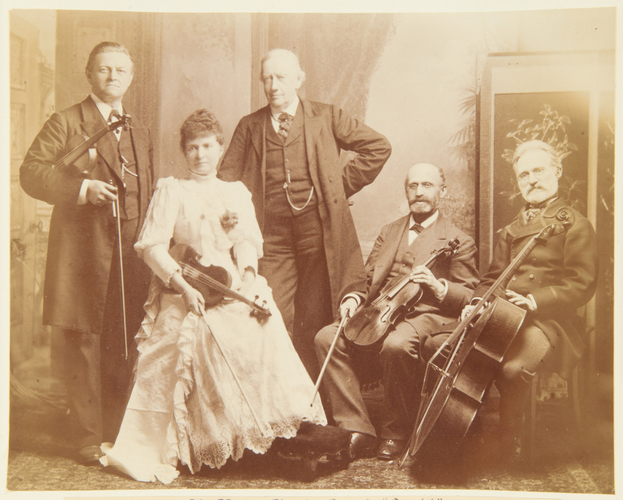
– The Monday Popular Concerts Quartet

https://www.rct.uk/collection/2907382/the-monday-popular-concerts-quartet

una foto inedita del quartetto della Nèruda

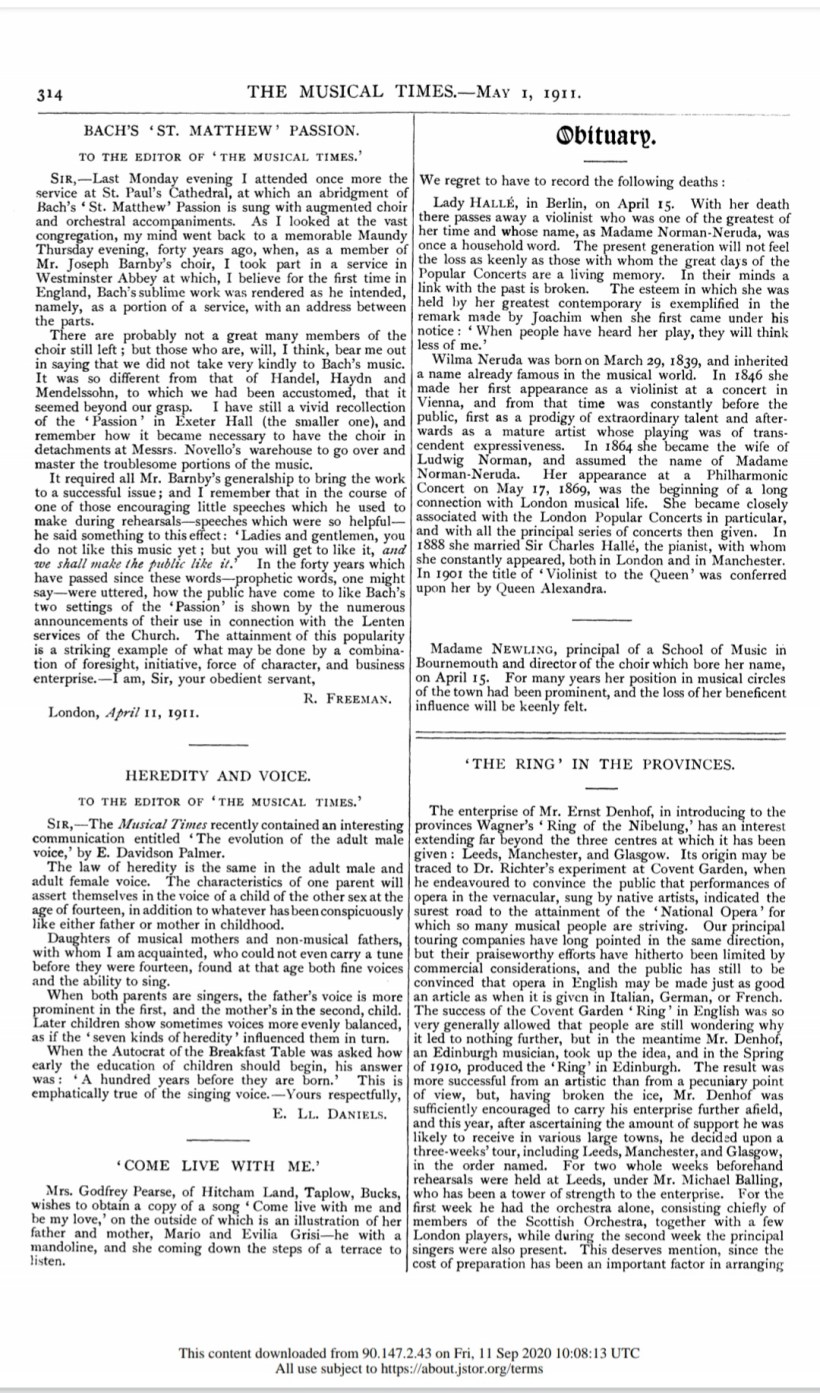
Musical Times 1 May 1911

Obituary Wilma Norman Néruda

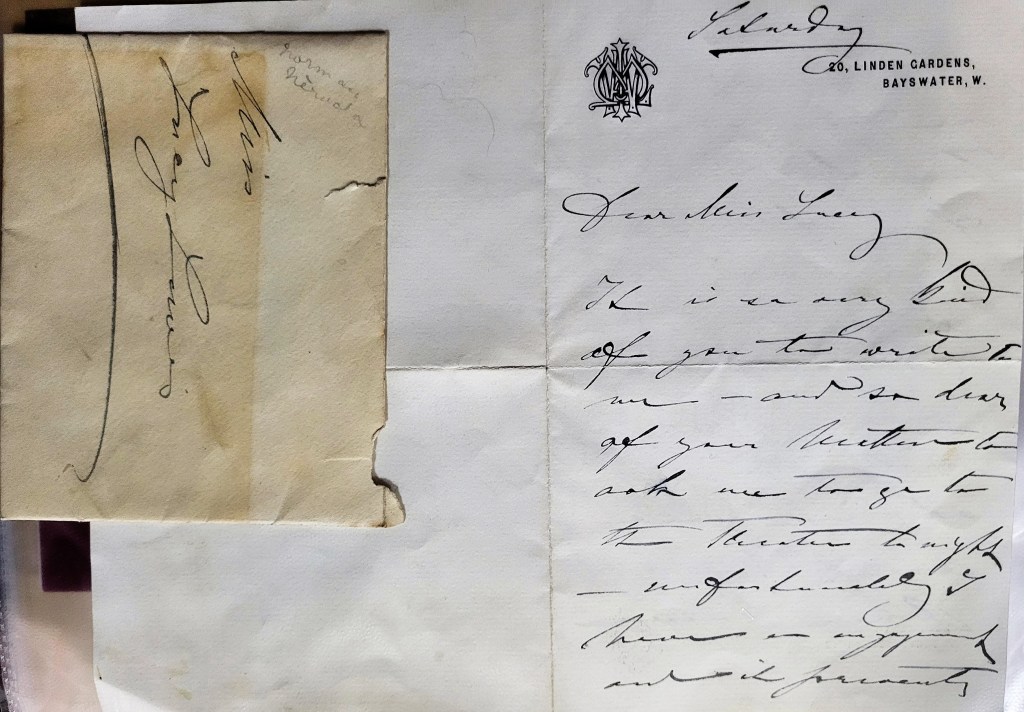
Lettera a Miss Lewis

Three pages, 12mo, bifolium, sl. stained, fold mark, good condition. With envelope.

Lettera di mia proprietà, post 188

Text: It is very kind of your mother to ask me to go to the theatre tonight – unfortunately I have an engagement and it prevents me from accepting the kind invitation for which I am very sorry as I should have liked nothing as much than going with you – and admire your [ aunt? ] | Once more I must thank you for the lovely roses you gave me yesterday. The envelope is addressed to Miss Lucy Lewis.

Lucy Lewis era figlia di Kate Terry sorella della famosissima attrice Ellen Terry partner di Sir Henry Irving amata anche da Conan Doyle

https://www.wikiwand.com/en/Terry_family

The Etude

lady-charles-halle.jpg

LADY CHARLES HALLE.
(Mme. Norman-Neruda.)

Wilma Neruda was the daughter of Josef Neruda, organist of the cathedral at Brünn, and was a member of a family famed as violinists. She was born March 29, 1839, and commenced to play the violin very early in life. Her first public appearance was made in 1846 at Vienna, where she created much astonishment by her ability. The family then went on tour through Germany. She appeared in London with great success in 1849, and afterwards went to Russia, where she remained several years. In 1864 Mme. Neruda appeared in Paris, where she awakened the greatest enthusiasm. It was at this time that she married Ludwig Norman, a Swedish musician, and took the name of Norman-Neruda. After her marriage she appeared in London, 1869, and was induced to remain for the winter season. From that time on she appeared for many years in England during the winters. Her marriage with Sir Charles Hallé took place in 1888, and she appeared in concerts with him until his death in 1896. Her eldest son was killed in an Alpine accident in 1898, and since then she has resided in Berlin, though she pays annual visits to England, where she is much beloved. In 1901 Queen Alexandra of England conferred upon her the title of “Violinist to the Queen,” and the Stradivarius upon which she is accustomed to play was the joint gift of the Duke of Edinburgh, Earl Dudley and the Earl of Hardwick.

Wilma Norman Néruda dedicataria

Dedicataria

di Vera Mazzotta

Thank’s to Mr. R. Hasalik

August Berwald (1798-1869).

Cadenza al concerto per violino ed orchestra. I movimento

Felix Borowski

Shoumka

à Lady Hallé (Wilma Hallé, widow of Ludvig Norman, born Wilma Néruda, 1838-ca. April 1911)

Catharinus Elling (1858-1942)

Im Volkston and Choral

due pezzi caratteristici per violino op. 24

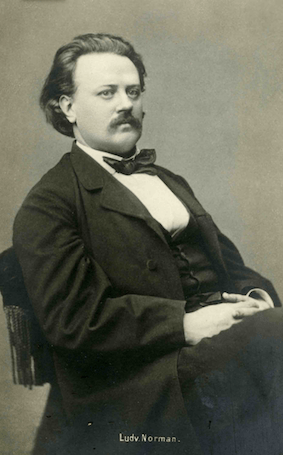
Ludvig Norman (1831-1885)

Ten characteristic pieces for violin and piano op.27

Hermann Berens (1826-1880).

Funf salon Lieder fur violin and piano

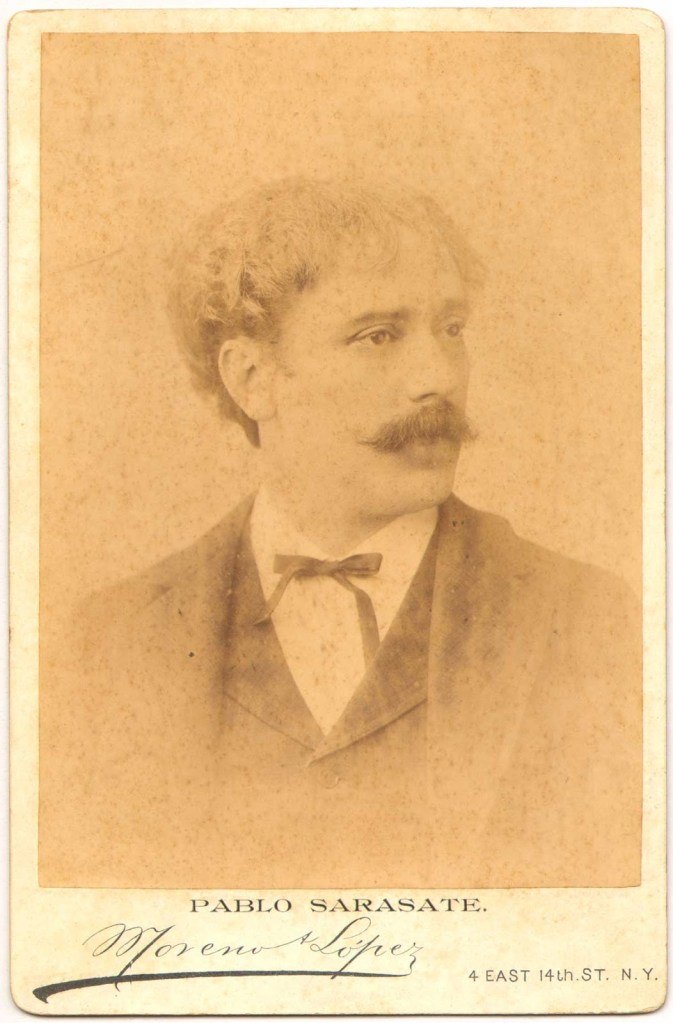
Pablo De Sarasate.

Romanza Andaluza y Jota Navarra

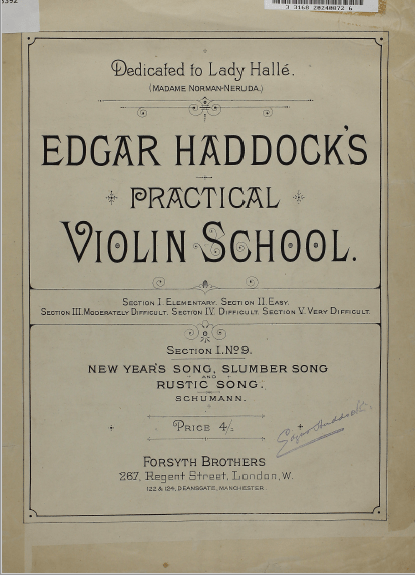
Edgar Haddock

Practical Violin School

A Lady Hallé Wilhelmine Neruda (1838—1911)

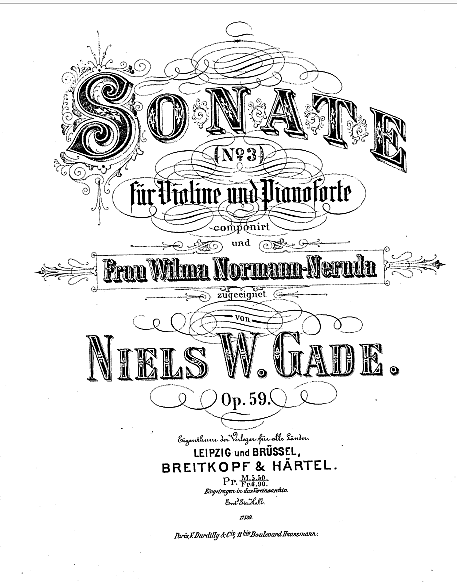
Niels Gade (1817-1890)

Violin Sonate n.3 op.59

Gungl Joseph (1809-1889)

Wilhelminen-Tänze : Walzer op. 167

componirt und dem Fräulein Wilhelmine Neruda achtungsvoll zugeeignet von Josef Gungl

Conrad Nordquist
Trio in f. dur dedicato ai fratelli Neruda.

Henry Vieuxtemps ( 1820-1881)

Fantasia sui temi del Faust di Gounod op.20 Violin Konzert op. 47 n.6

Henryk Wieniavsky

Giga op 23

Dedicato a: Frau Norman Neruda

August Winding (1835-1899).

Violin Sonata op.5

Franz Neruda (1843-1915)

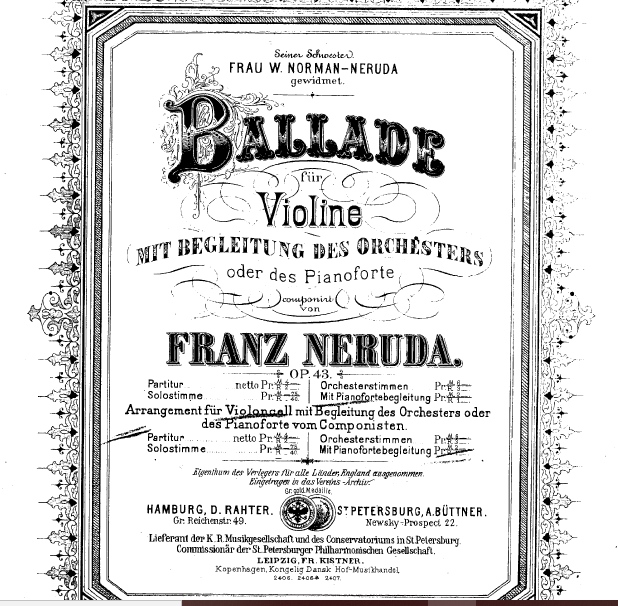
Ballade op.43

Charles Villiers Stanford (1852-1924)

Irish Fantasies songs op.54

Kazimierz Lubomirski (1813-1871)

Due mazurke op.46

James Scott Skinner( 1843-1827)

https://www.abdn.ac.uk/scottskinner/display.php?ID=JSS0856

Madam Neruda

Johann Lauterbach (1832-1918)

Legende op.8

Franco Leoni (1864-1949)

Suite Hongrois

To Madame Norman-Neruda (Lady Hallé)

Moritz Mildner

‘ Pepíku dal Karneval pražský

(scritto per Vilemina Nerudova)

Wilma Néruda

https://springrake.wordpress.com/2013/10/12/wilhelmine-maria-franziska-norman-neruda-lady-halle-21-march-1838-15-april-1911/

identificazione dello Stradivari di Sherlock Holmes

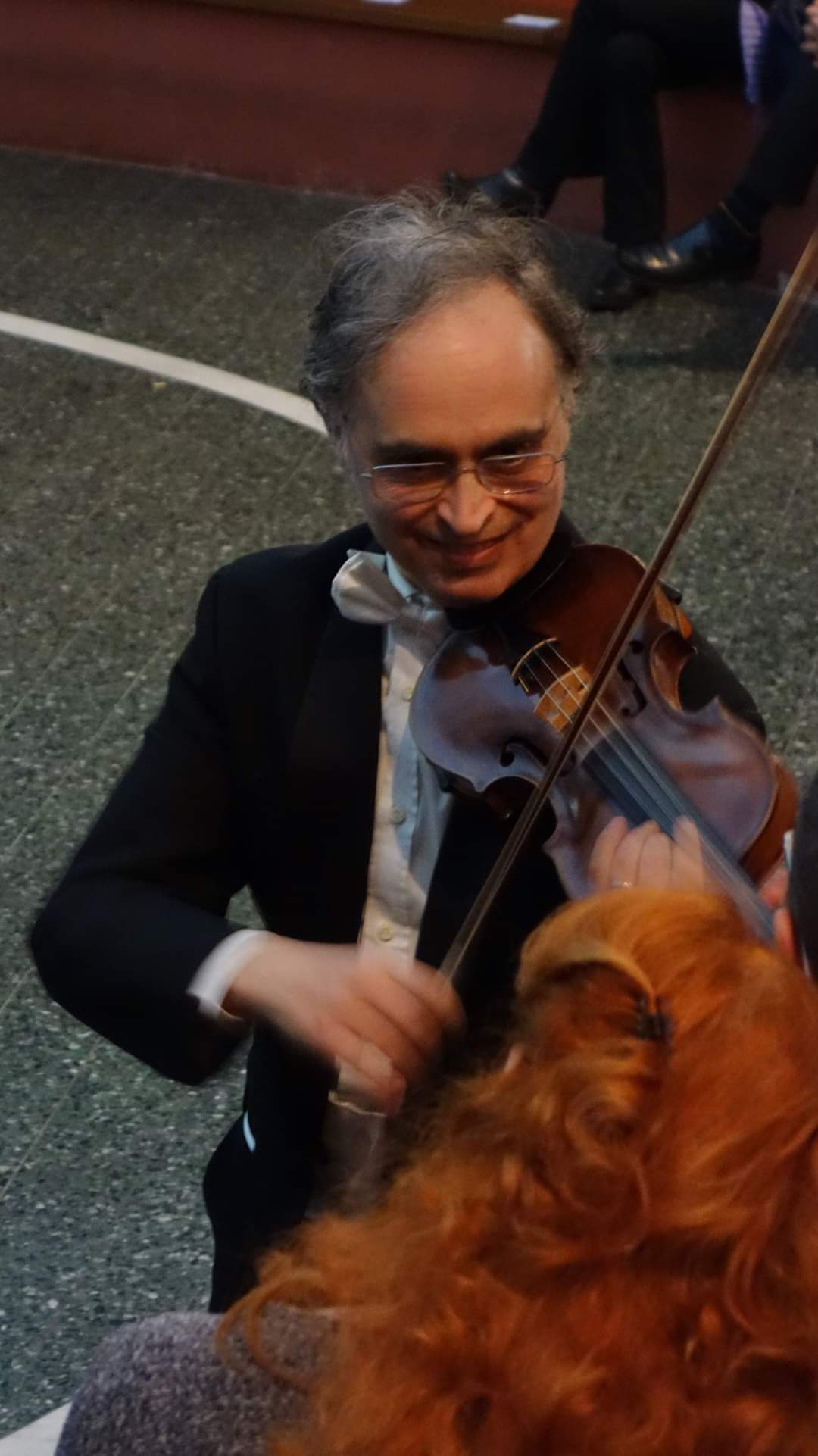
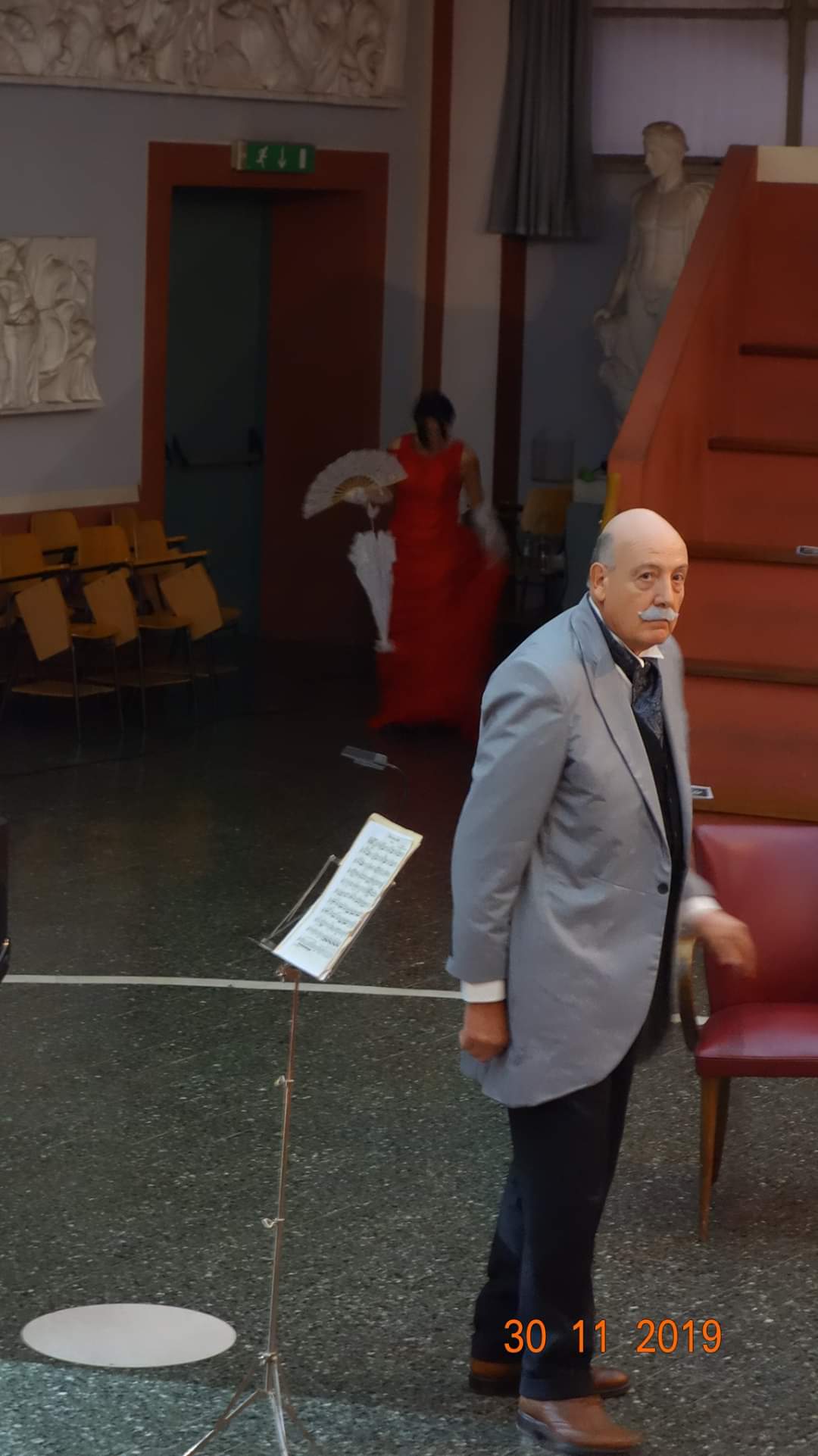
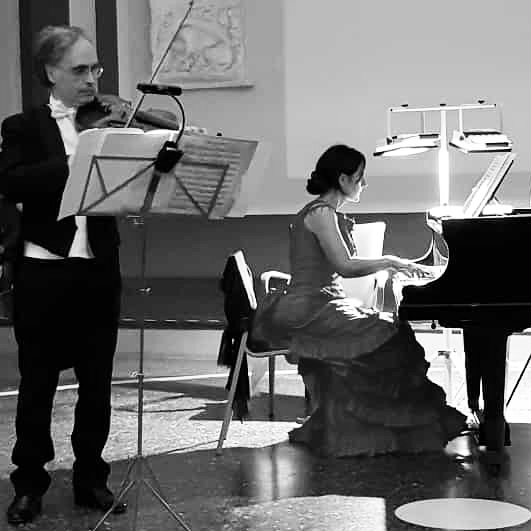
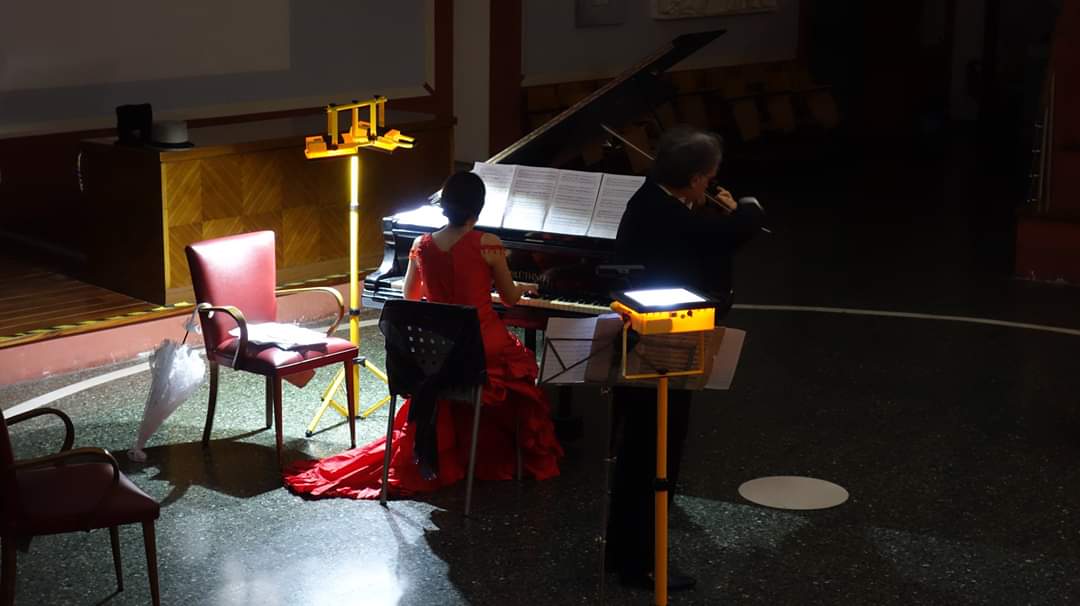
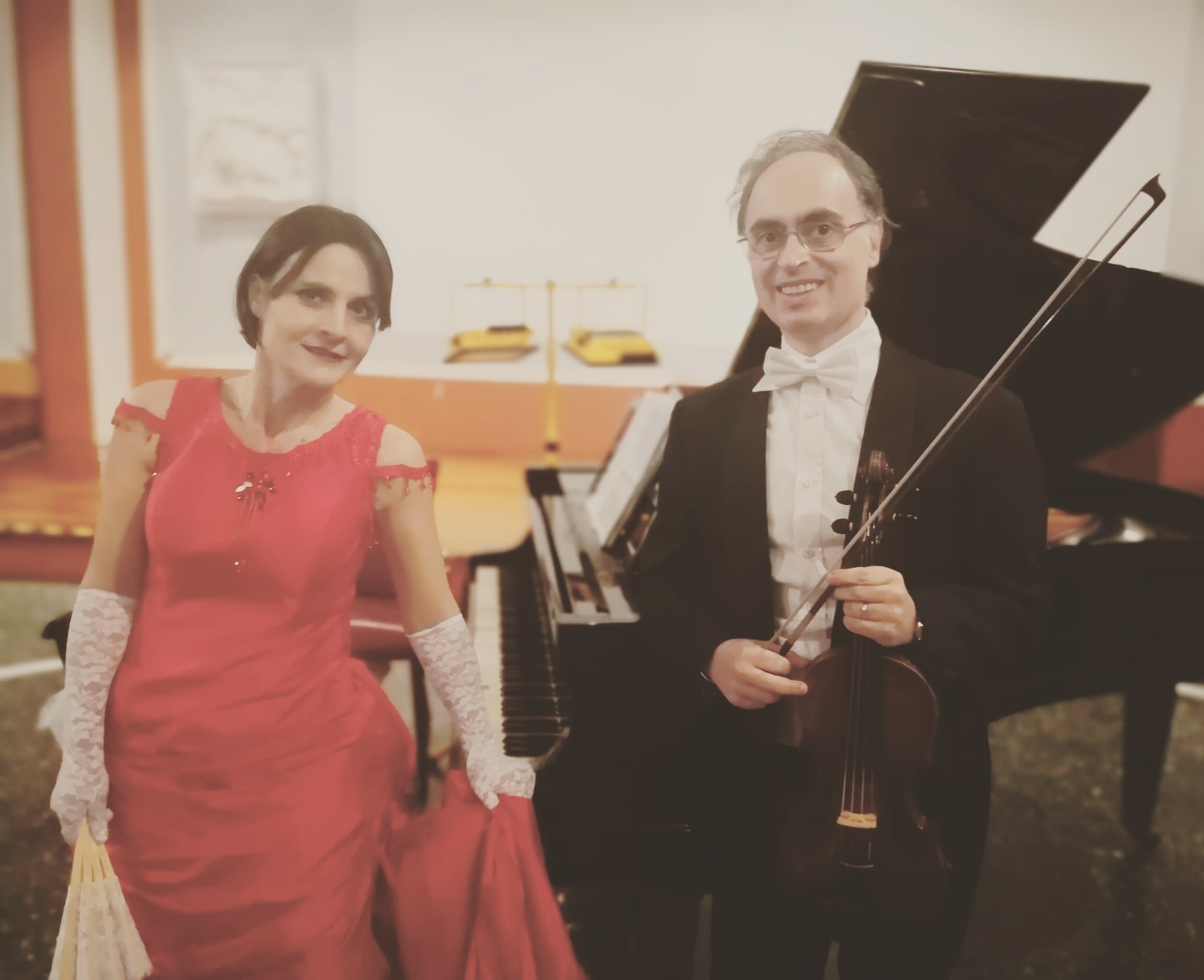
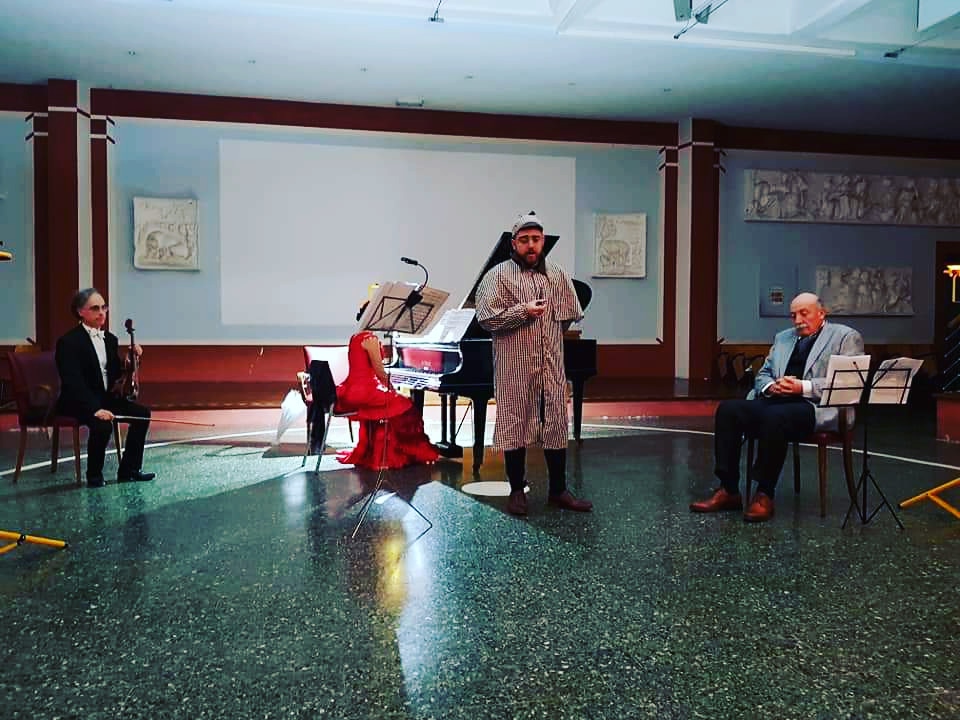
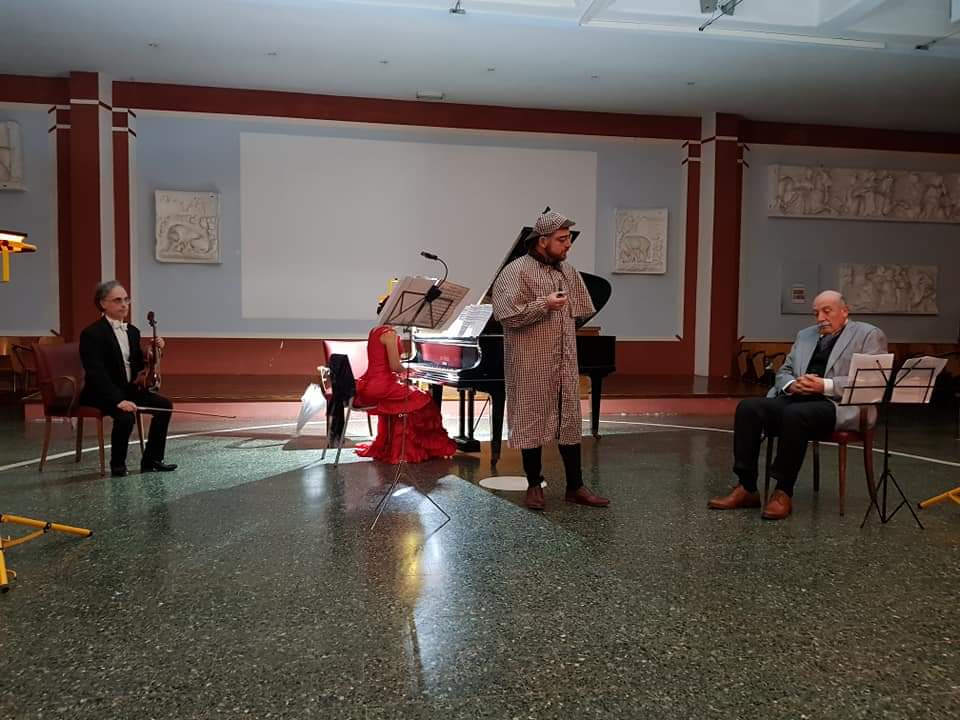
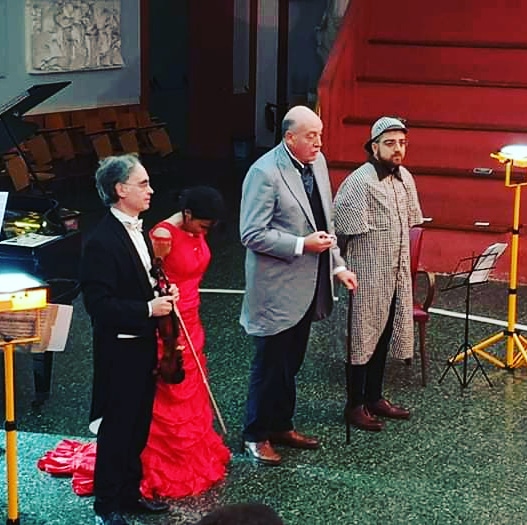
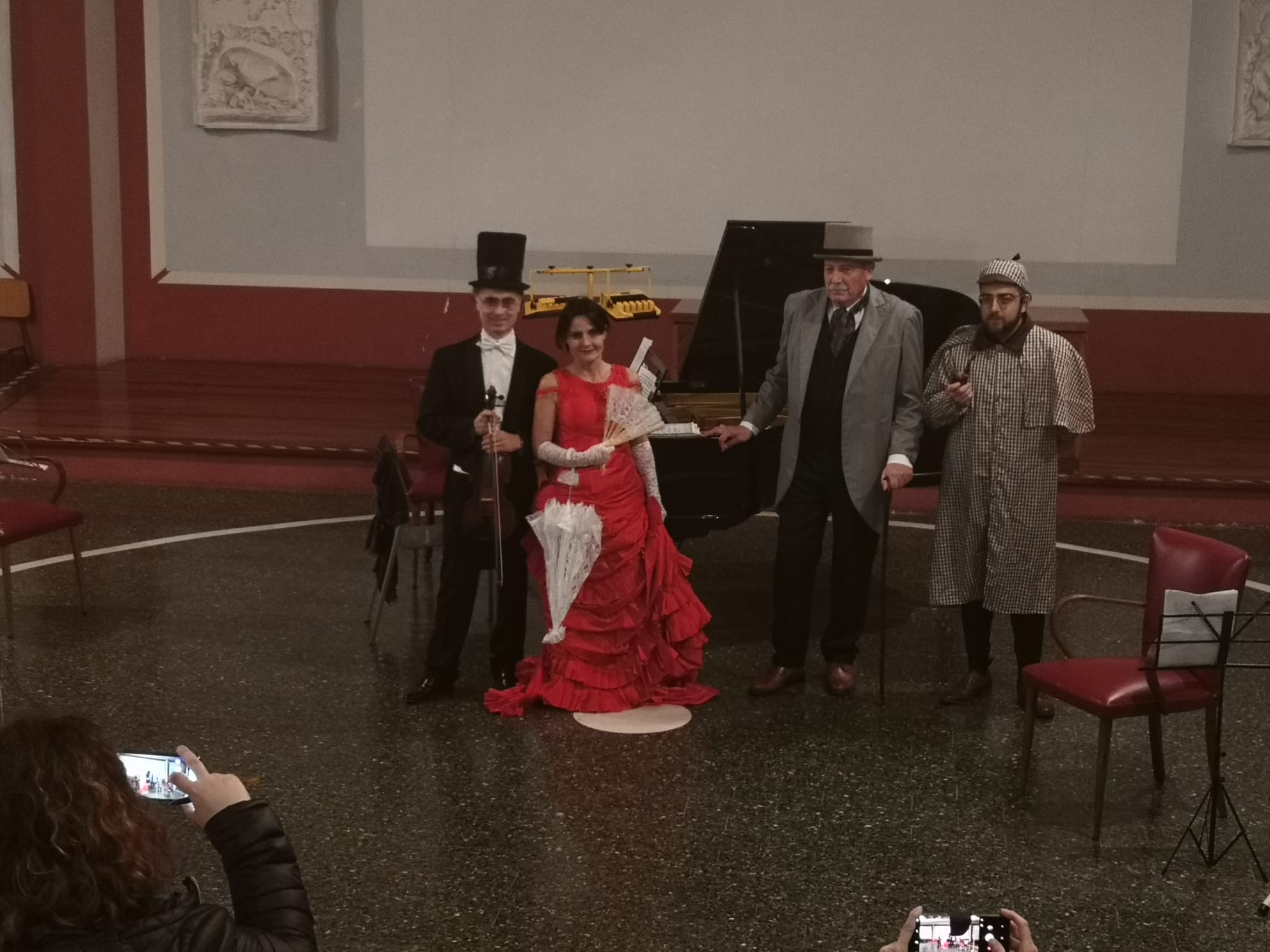
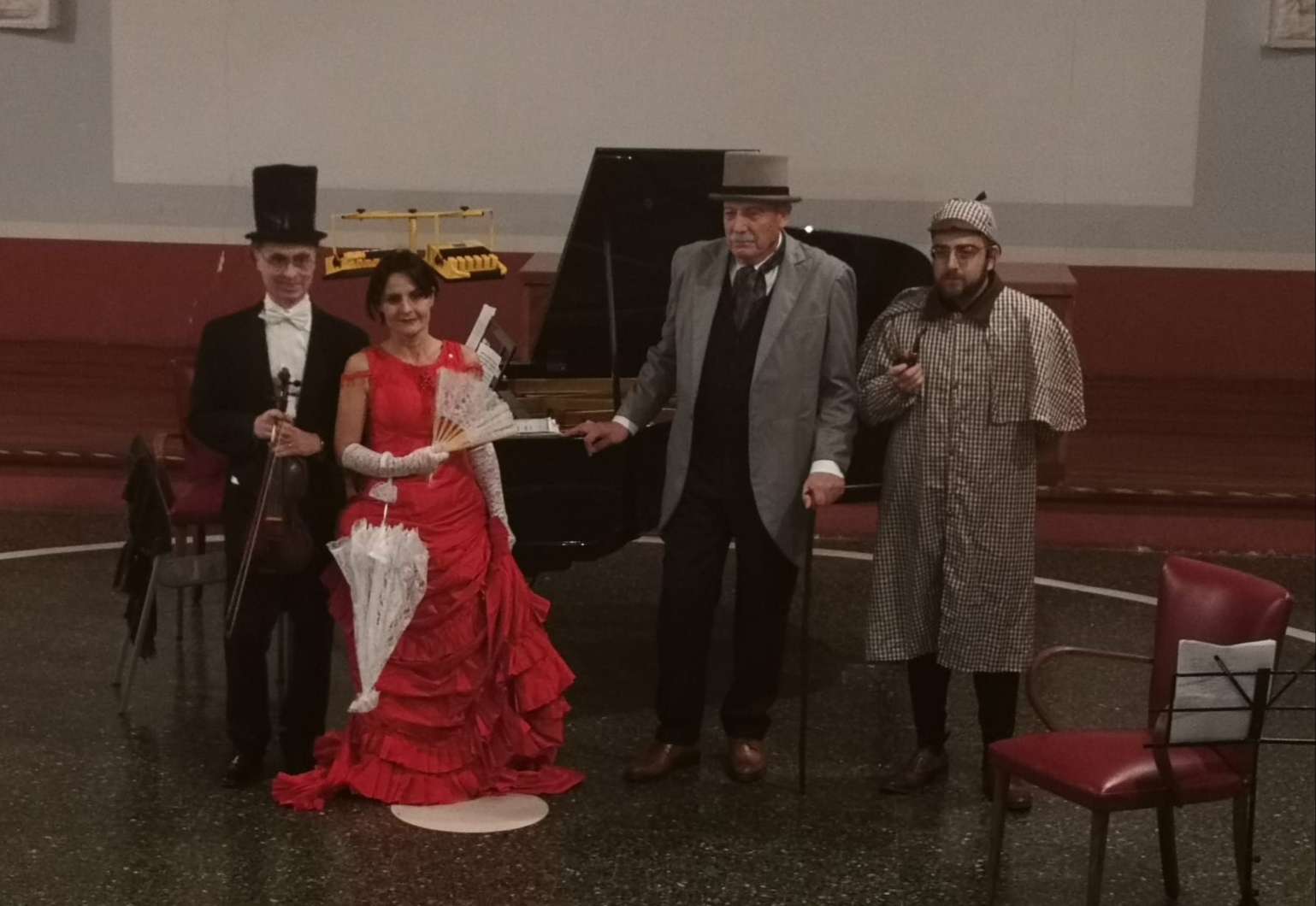
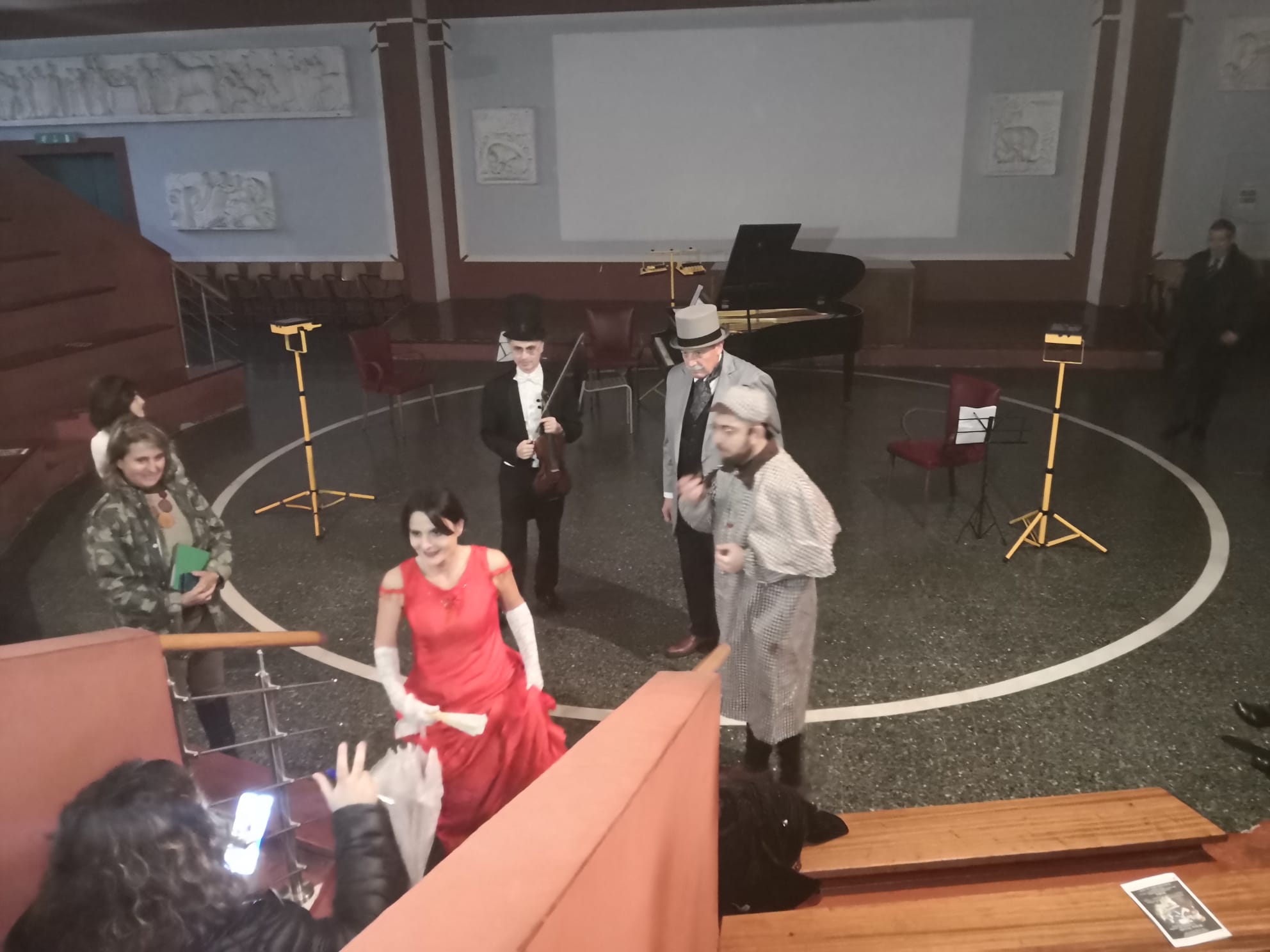
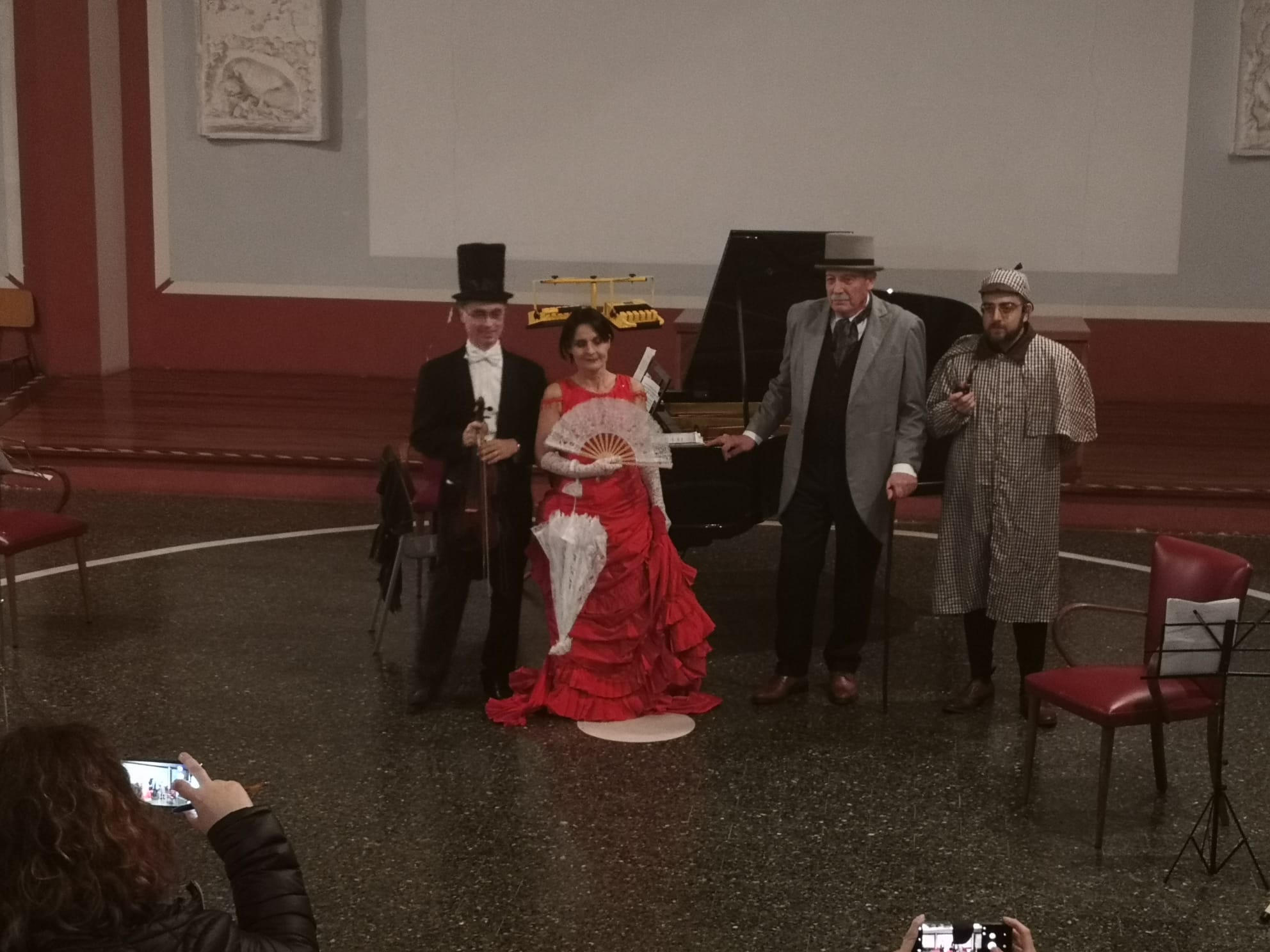
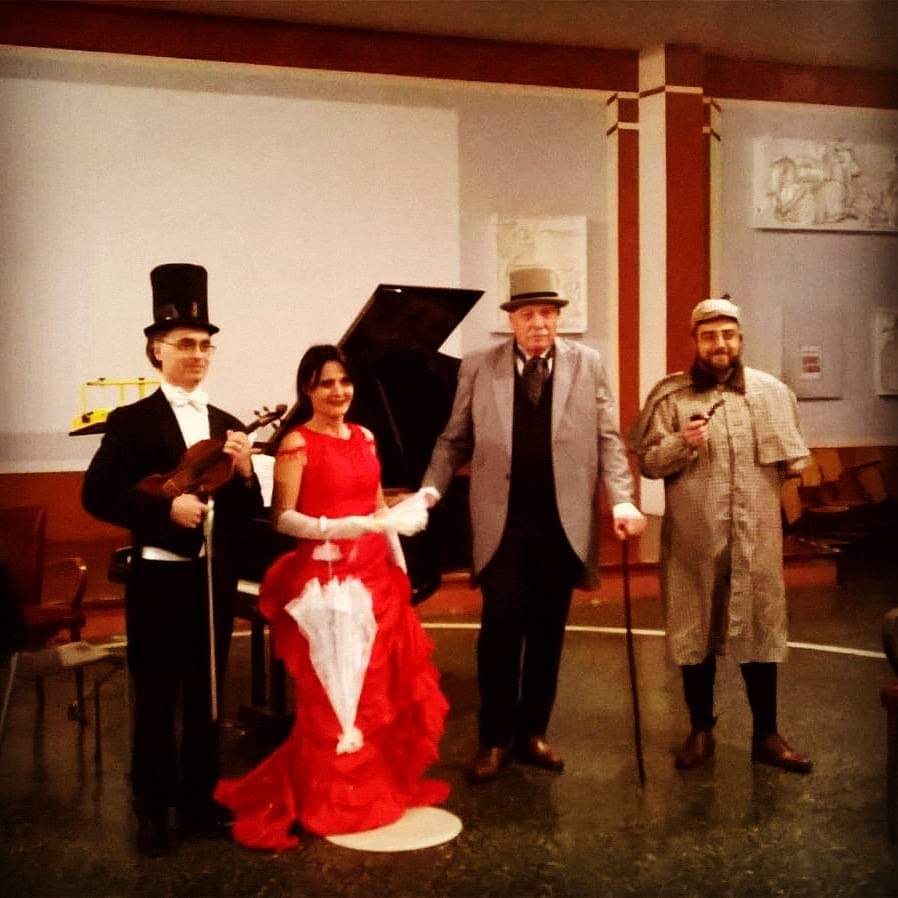
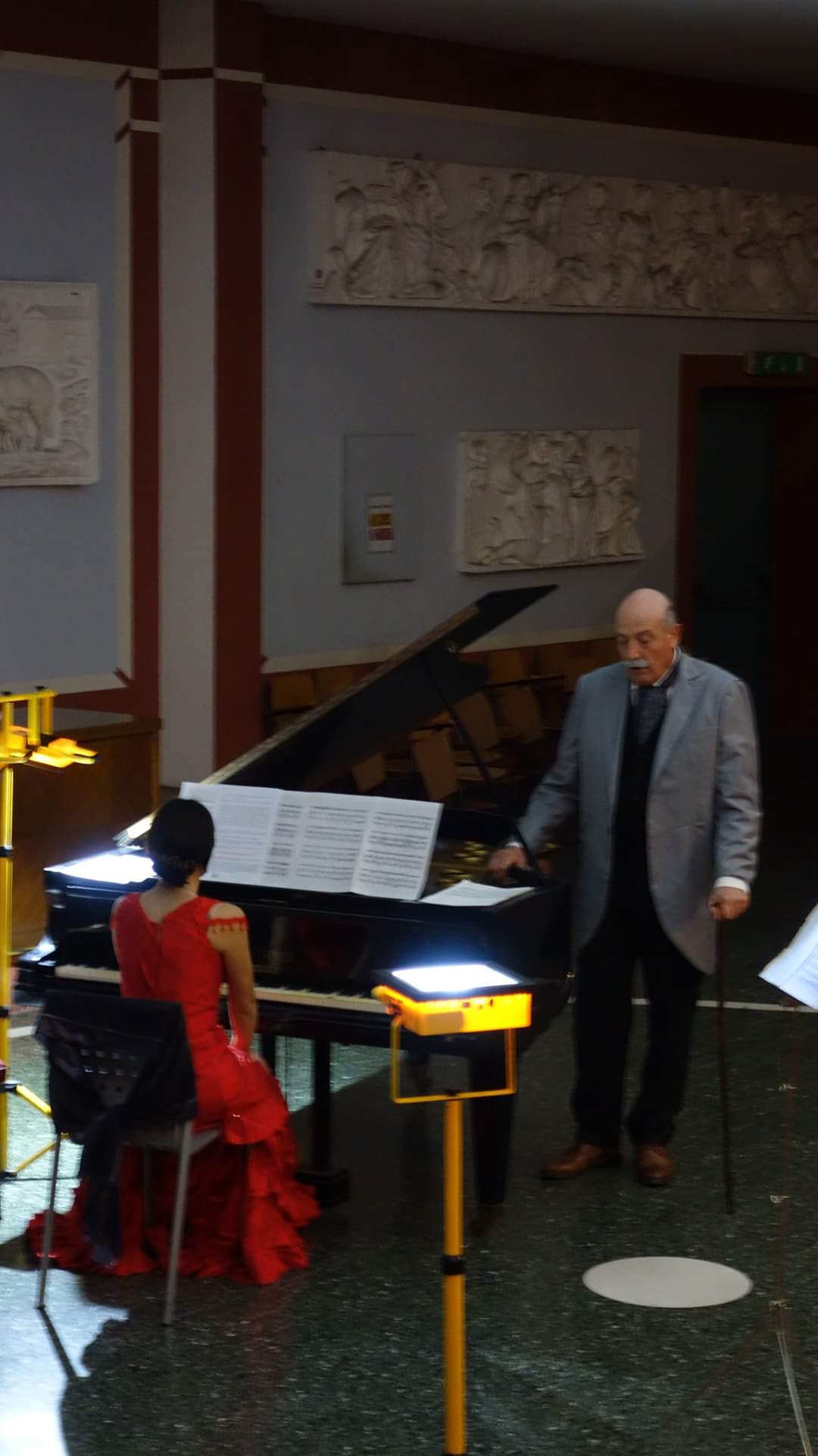
Wilma Neruda la violinista che conobbe Sherlock Holmes.Lo spettacolo teatrale